The Land is a Teacher: Building Pathways for Indigenous Children and Youth
Our March newsletter shared the story of Free to Play, a national initiative (supported by the Waltons Trust in partnership with the Lawson Foundation and Canadian Tire Jumpstart) to “build a movement of outdoor play for children across Canada.”
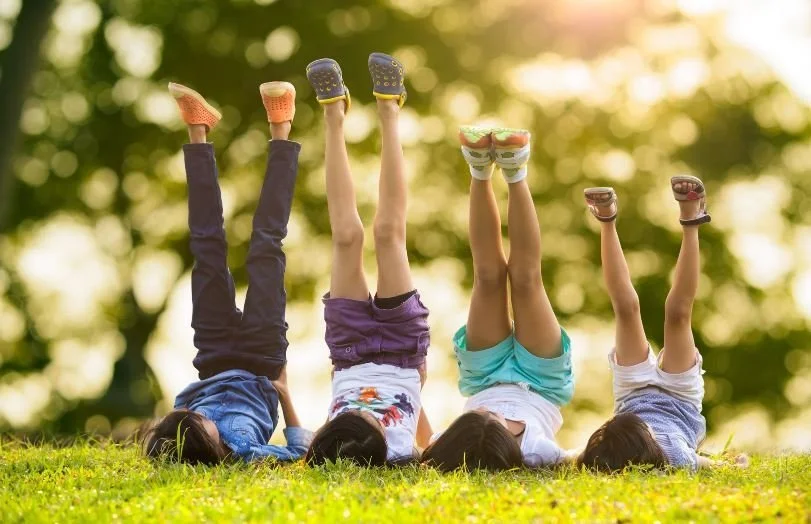
We are thrilled to be part of Free to Play and through this initiative we plan to work with the member Nations to create pathways for Indigenous youth and children to access outdoor and land-based activities.
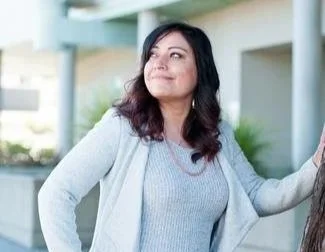
We are also excited that Danielle Alphonse, the BC Regional Innovation Chair for Aboriginal Early Childhood Development at Vancouver Island University has agreed to support our work by acting as the initiative’s technical advisor. She is deeply committed to working with Indigenous youth and children to support their mental, physical, spiritual and cultural well-being. Last month we met with her to talk more about her role.
KLF: Why do you think this initiative is so critical to the health and well-being of Indigenous youth and children?
Danielle Alphonse:Part of the terrible legacy of colonialism is that it forcibly separated Indigenous people from the land. We couldn’t move from the reserve without the permission of the Indian agent. So for me this project isn’t just about getting Indigenous children and youth away from screens - it’s about reconciliation - addressing the harm created by that colonial legacy by reconnecting Indigenous children, youth and families to the land. The beauty of this initiative is that it will empower Indigenous children and youth to form deeper connections to the land and help them understand that the land is a teacher and an integral part of their overall well-being. It’s also about intergenerational healing as they will engage in conversations with their aunties, uncles, grandparents and Elders, learning about the land and what it means to them and to their Nations.
KLF: How do you hope to support or work with the Nations who are involved?
Well, first I want to say I am so grateful for this opportunity. I love being on the land and I love children and the idea of an initiative that can support inter-generational healing - well let’s just say this is at the heart of the work that I love to do. What I hope to be able to contribute is to share knowledge around child development. I am thinking about how I can best uplift this knowledge to support communities to consider what they are doing well in programming. I’d then like to work with them to base those programs in land-based learning and play. I think one aspect of this will be to have open-ended play guided by the children and youth to let them explore the land and build their own attachment to the land. But the first year will be a pilot project to see what approach will work best and most effectively. I will also help with the evaluation process which will be a bit different as it won’t fit into a box of quantifying progress. My goal really though is to take the lead from the community and support them to realize their visions.
KLF: As you know we are taking a participatory grant making approach to this initiative - the community will lead the direction of the projects based on what they need most. Can you share your thoughts on this?
Danielle Alphonse: I think there are a number of important pieces to consider with the Free to Play funding. First, there has been a challenge in the philanthropy world with fear-based funding that impacts many First Nations. In this approach there is one pie of funding and some get more and some get less. With the Free to Play funding Kw’umut Lelum Foundation shifts this approach by sharing the funding with everyone - it comes from a place of sharing and abundance rather than scarcity.
And not only that - the funding lasts for three years! Finally, the community leads this initiative. So right away all these pieces shift the dynamics - the fear is removed and the longer funding timeframe creates opportunities for Nations to support each other, share ideas, and knowledge and take the time that it takes to develop and envision an approach that works for them. And the Nations lead the initiative so that the funds go to where they are most needed.
KLF: Is there anything else you’d like to share with us?
Danielle Alphonse: One of the pieces I love about this project is that it is grounded in creating pathways for other Indigenous communities in the future. We are all learning and we will be able to share these learnings with others. And, finally, I want to share that I think it’s the right timing for this initiative - to reconnect as a family and a nation and community and to the land. This is needed in the world now. And the more we do that the better we will be as a global community.